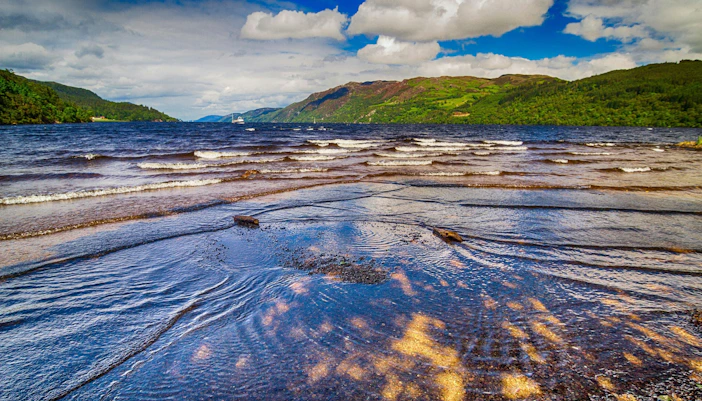
Loch Ness was carved out by the immense forces of glaciation during the last Ice Age, approximately 10,000 years ago. As the ice sheets retreated, they left behind a deep, narrow trench that filled with water, forming the loch we know today. This explains its statistics: it's the largest body of freshwater in Great Britain by volume and one of the deepest!
Unravelling the enigma: The deep and ancient history of Loch Ness
Loch Ness has captivated imaginations for centuries, but its story began thousands of years before the legend of Nessie. Formed by glaciers around 10,000 BC, this 23-mile freshwater loch has witnessed Pictish settlements, medieval battles, the rise and fall of Urquhart Castle, and the evolution of one of the world's most enduring legends. Discover how geology, history, and folklore came together to shape one of Scotland's most iconic landscapes.
Loch Ness timeline
c. 10,000 BC: Loch Ness forms after the last Ice Age
Retreating glaciers carve the Great Glen, creating one of Britain's deepest freshwater lochs.c. AD 565: The first written account of a water beast appears
An early mediaeval biography of the Irish monk Saint Columba describes him confronting a mysterious creature in the River Ness—the earliest written story later associated with the Loch Ness Monster.13th century: Urquhart Castle is built
The mediaeval fortress is established on the shores of Loch Ness and becomes an important royal stronghold in the Scottish Highlands.1296–1308: Urquhart Castle is contested during the Wars of Scottish Independence
The castle changes hands several times as English and Scottish forces fight for control of the Highlands.1692: Urquhart Castle is deliberately destroyed
Government troops partially demolish the fortress before abandoning it, preventing it from being used by Jacobite forces.1933: The modern Loch Ness Monster legend begins
Newspaper reports of unexplained sightings capture international attention, turning "Nessie" into a global cultural phenomenon.1934: The famous 'Surgeon's Photograph' is published
The image becomes the world's best-known photograph of the Loch Ness Monster before being exposed as a hoax decades later.2003: One of the largest scientific surveys of Loch Ness is completed
A BBC-funded sonar study finds no evidence of a large unknown animal living in the loch.Today: Loch Ness remains one of Scotland's most visited natural landmarks
Its combination of geology, mediaeval history, Highland scenery, and enduring folklore continues to attract travellers from around the world.
Loch Ness history explained
The formative years (10,000 BCE)
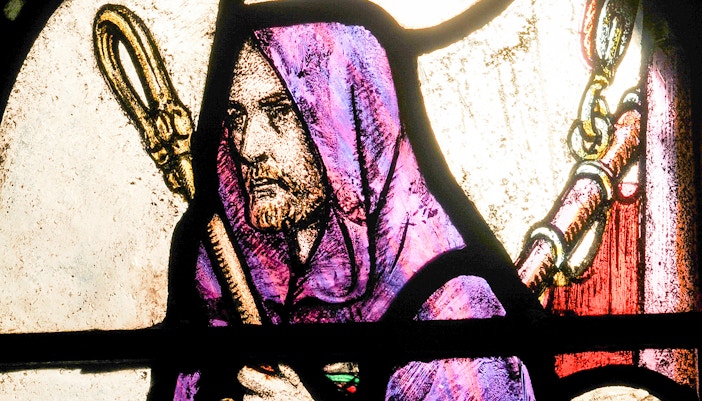
The first legends (6th century)
Its history is shaped by a legend involving St. Columba, who reportedly saved a man from a "water beast" in Loch Ness. This story, documented in the 7th century, is the first account of an aquatic creature in the area and became a cornerstone of its folklore.
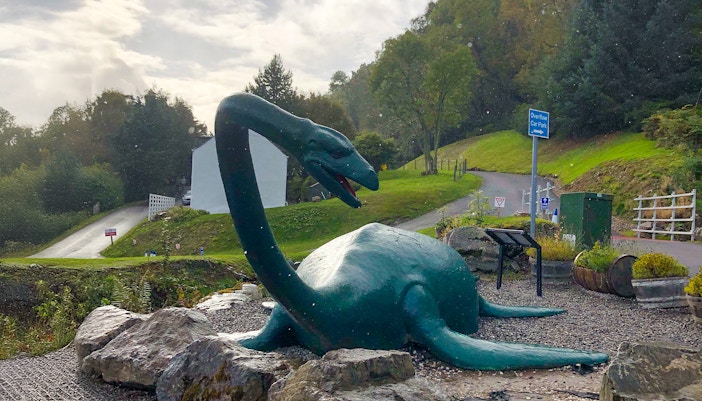
The Golden Age of legends (1930s–1960s)
The modern Loch Ness myth exploded in 1933 with the opening of the A82 road. More sightings were reported, captivating the world and turning the loch into a media phenomenon. The 1934 "Surgeon's Photograph" cemented the creature's global fame, even though it was later revealed to be a hoax.
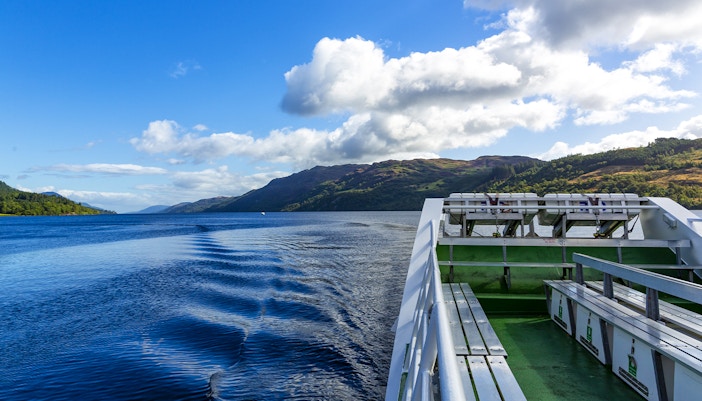
The Crusader’s fate (1952)
On September 29, 1952, John Cobb's jet-powered speedboat, the Crusader, disintegrated while he attempted to break the world water speed record on Loch Ness, tragically killing him. Although Loch Ness monster enthusiasts blamed a creature for the unexplained wake, subsequent analysis determined the probable cause was a combination of the boat's design and waves from the loch's steep sides. The wreckage was found in 2002.
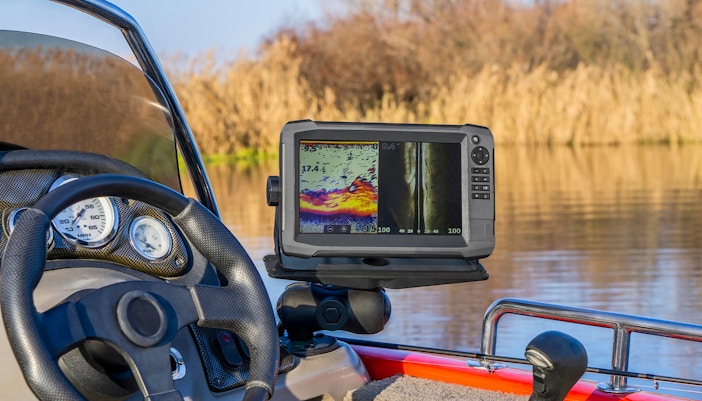
Scientific pursuits (1960s–1970s)
This period saw a shift from folklore to scientific investigation in the history of Loch Ness. Organisations like the Loch Ness Investigation Bureau used sonar and underwater cameras in attempts to find the monster. Though a definitive discovery was never made, these systematic searches created a new chapter in the loch's narrative.
The present day (2000s–Present)
Today, Loch Ness is a mix of continued scientific interest, tourism, and digital age advancements. While major expeditions have found no conclusive evidence, the mystery endures. Researchers still use modern technology like eDNA to test for unusual life forms, ensuring the legend lives on.
Loch Ness today: The legend and the landscape
Loch Ness is known as much for its dramatic Highland scenery as for the enduring legend of the Loch Ness Monster. Although decades of scientific investigations have found no evidence of a large unknown creature, Nessie remains central to the loch's identity. The Loch Ness Centre continues to explore the history, folklore, and science behind the legend, while the long-running Loch Ness Monster Sightings Register still records reported sightings.
The loch's surrounding landscape and natural environment are protected by several organisations, while its waters support native wildlife, including Atlantic salmon, otters, and a variety of freshwater fish. Together, these conservation efforts help preserve one of Scotland's most distinctive freshwater ecosystems.
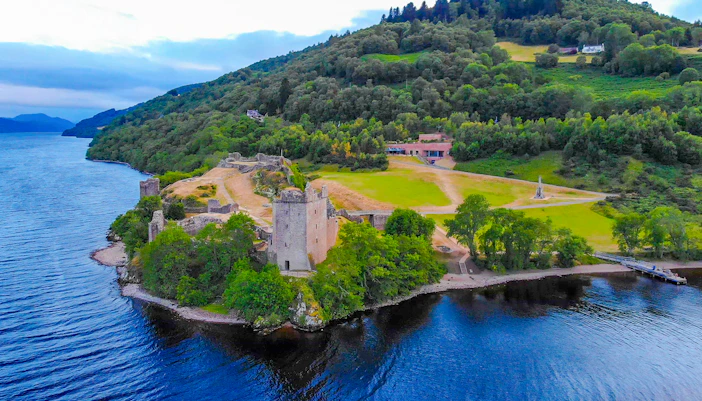
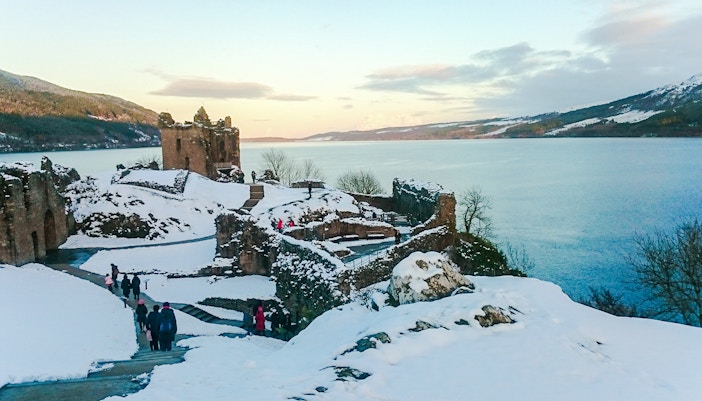
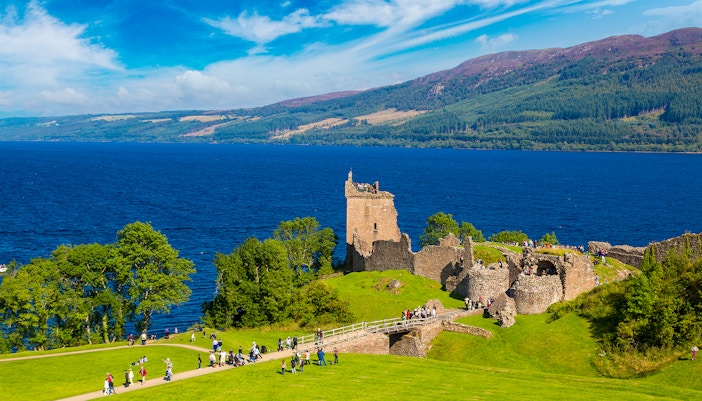
Historic landmarks around the loch add another layer to its story. The ruins of Urquhart Castle overlook the water from the western shore, while the Caledonian Canal links Loch Ness with Scotland's east and west coasts through a series of locks and waterways.
Beyond the Nessie legend, Loch Ness offers plenty to explore. You can:
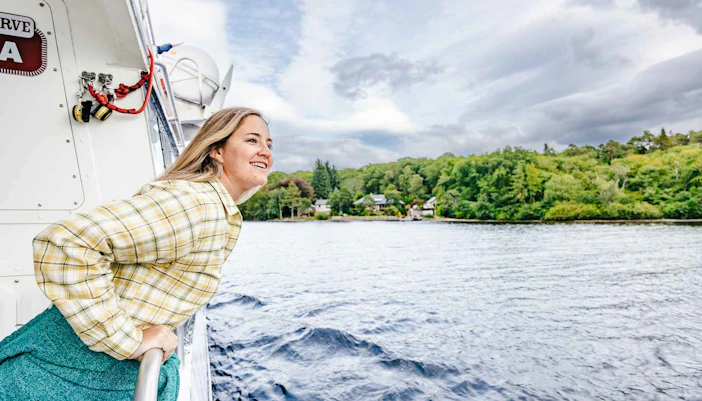
- Take a boat tour across the loch's deep, peat-stained waters for panoramic views of the surrounding Highlands and Urquhart Castle.
- Walk or cycle sections of the 360° Trail, a long-distance route that circles the entire loch through forests, villages, and scenic viewpoints.
- Visit the Loch Ness Centre in Drumnadrochit to discover the loch's geology, history, folklore, and the scientific expeditions that have searched for Nessie.
- Explore Fort Augustus, where a flight of locks on the Caledonian Canal provides one of the Highlands' best-known waterside viewpoints.
Frequently asked questions about Loch Ness's history
The earliest recorded sighting in Loch Ness history is in 565 AD, when the Irish monk Saint Columba is said to have saved a man from a "water beast" in the River Ness, which flows from the loch.
Urquhart Castle is a key historical site in Loch Ness’ history. It was a medieval fortress that played a significant role in Scotland's Wars of Independence and was later partially destroyed during the Jacobite Risings to prevent its capture.
Sightings dramatically increased in 1933 after the new A82 road was built along the loch's shore. This road provided a clear, elevated view of the water for the first time, leading to a surge in eyewitness accounts and media attention that launched the modern legend.
The "Surgeon's Photograph," published in 1934, is the most famous image of the Loch Ness Monster. It was widely accepted as proof of the monster's existence for decades until it was revealed to be a hoax in 1994: a small toy submarine with a monster head attached.
Yes, the area around Loch Ness was a site of significant conflict during Scotland's Wars of Independence and the Jacobite Risings. Urquhart Castle was a major stronghold in these events. In more recent history, the loch was the site of a tragic accident in 1952 when racer John Cobb died attempting to break the world water speed record.
The loch's waters are dark due to a high concentration of peat particles, which are washed into the loch from the surrounding hills. This low visibility adds to the mystery and the idea of something being able to hide in its depths.
Loch Ness is the largest freshwater body in the UK by volume, holding more water than all lakes in England and Wales combined. Its only island, Cherry Island, is an Iron Age artificial island known as a crannog.